
Ask a group of prospective EV owners what worries them most about going electric, and towing comes up almost every time. Can a Tesla actually pull a camper, a boat, or a utility trailer full of yard debris — and if so, how far can it go before you’re hunting for a Supercharger? The honest answer for 2026 is more encouraging than the old “EVs can’t tow” myth suggests, but it comes with real caveats around range, tongue weight, and which model you actually own. This guide breaks down every Tesla’s towing rating, what the factory tow package includes, how much range you’ll genuinely lose, and the accessories North American owners should (and shouldn’t) buy.
Disclosure: some links are affiliate/referral links. If you buy or order through them, we may earn a commission at no extra cost to you. See our disclosure page.
📋 Contents
- Can Every Tesla Tow? The 2026 Model-by-Model Rundown
- What the Factory Tow Package Actually Includes
- How Much Range Do You Really Lose Towing?
- Trailer Mode, Sway Control & Charging Safely
- OEM vs Aftermarket Hitch: Which Should You Buy?
- Towing & Hitch Accessories Worth Buying
- Real-World Towing Tips for North American Owners
- Frequently Asked Questions
- The Bottom Line
Can Every Tesla Tow? The 2026 Model-by-Model Rundown
Towing capability varies dramatically across Tesla’s lineup, and it’s driven by both hardware (the physical hitch) and software (the Trailer Mode that recalibrates traction control, stability, and range estimates). Here’s where each model stands in North America for the 2026 model year.
| Model | Max Tow Rating | Tow Package | Notes |
|---|---|---|---|
| Model Y | 2,000 lb current / 3,500 lb legacy | $1,300 factory option (Premium trims) | The volume tow vehicle; 2″ receiver, 7-pin connector |
| Model 3 | Not rated (N. America) | Not offered (US/CA) | Europe gets a ~1,000 kg rating; no factory package here |
| Model X | 5,000 lb (20″ wheels) | Was included / factory | Drops to 3,500 lb on 22″ wheels; discontinued 2026 — used market |
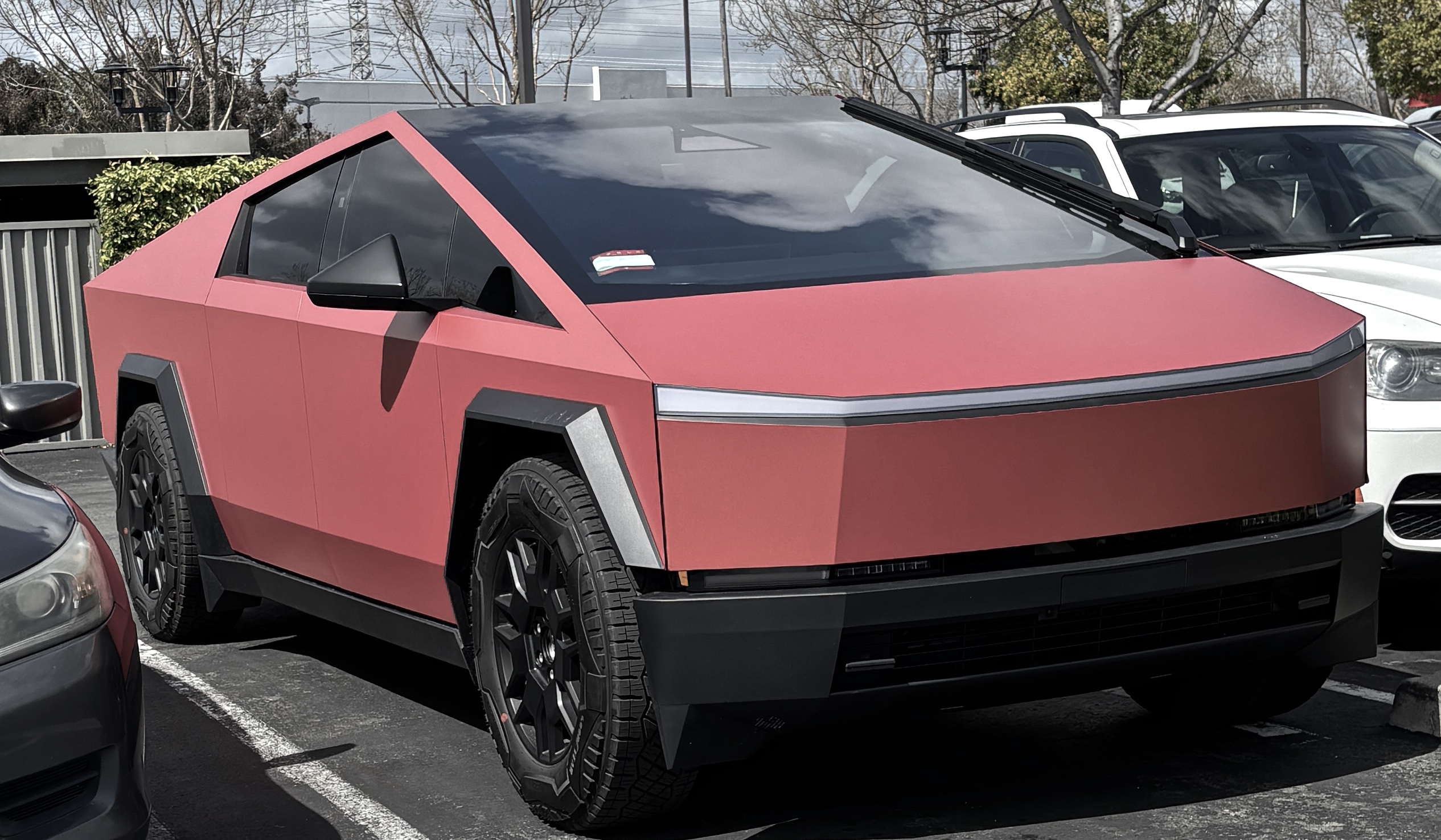
| Cybertruck | 7,500–11,000 lb | Built-in | AWD 7,500 lb; tri-motor Cyberbeast 11,000 lb |
| Model S | Not rated | Not offered (N. America) | Europe gets a ~3,500 lb package; not sold here |
The big-picture takeaways: the Model Y is the Tesla most families will actually tow with — the current package’s 2,000 lb rating covers jet-ski trailers, small utility loads and lightweight campers, and legacy pre-refresh Model Ys were rated 3,500 lb. The Model 3 is still not approved for towing in North America (Europe gets a ~1,000 kg rating). The Cybertruck is the serious hauler, while the Model X — discontinued along with the Model S in early 2026 — remains the strongest tow car Tesla ever sold, which makes a used X at 5,000 lb worth a look. And if you drive a Model S, Tesla simply doesn’t approve it for towing in the U.S. or Canada — no factory hitch, no rating. If towing is central to your plans, choose your model accordingly; you can browse current trims in our Model Y USA guide or the Cybertruck buying guide.
What the Factory Tow Package Actually Includes
On the Model Y (offered on the Premium trims), the $1,300 tow package is not just a hitch bolted to the frame — a big chunk of what you’re paying for is the software integration. A properly equipped Tesla tow package includes:
- A high-strength steel tow bar with a 2-inch square hitch receiver
- A North American 7-pin standard trailer connector and wiring harness
- Trailer lighting integration (so your brake lights, turn signals, and running lights sync)
- Trailer Mode software, which disables the parking sensors’ false alarms, adjusts stability control, and revises range estimates for the added load
That software layer is the reason a Tesla-installed hitch matters. Tesla lists the Model Y tow package on its official support page, and it can be added at order time or retrofitted at a Service Center. One frequently missed detail: the receiver’s tongue weight limit for trailer towing is higher than the roughly 160 lb cap for accessory carriers like hitch-mounted bike racks — check your manual for your build’s exact numbers. Overload the vertical weight and you risk both handling problems and warranty headaches.
How Much Range Do You Really Lose Towing?
This is the number that surprises new EV owners. Towing dramatically increases aerodynamic drag and rolling resistance, and because a trailer is essentially a big non-aerodynamic box behind you, real-world range loss lands in the 30–50% range for most setups — sometimes worse in cold weather or hilly terrain. Plan your Supercharger stops accordingly.
| Trailer type | Typical range loss | What it feels like |
|---|---|---|
| Small, low, aero (jet ski, teardrop) | 25–35% | Noticeable but manageable on road trips |
| Utility / open trailer, mid-load | 35–50% | Approaching half your rated range gone |
| Tall, boxy travel trailer / camper | 50–60%+ | Frequent charging stops; slow down to help |
Two practical rules keep towing sane: slow down (dropping from 70 to 60 mph can claw back a surprising amount of range), and charge to a higher buffer than you would unloaded. Because a trailer usually can’t fit through a Supercharger stall, plan for pull-through stations or be ready to unhitch. For a deeper dive into planning charging on longer hauls, see our Tesla summer road trip guide. It’s also worth knowing how heavy use affects your pack over time — our write-up on battery degradation puts the wear from occasional towing in perspective (it’s minimal).
A useful way to reset your expectations: think in terms of “towing miles between charges,” not the EPA sticker. If your Model Y is rated for 320 miles unloaded, budget for roughly 160–210 real miles with a mid-size trailer before you’re back at a Supercharger — and less in winter. That’s a stop every couple of hours, which is manageable if you build it into the route rather than discovering it at 8% state of charge. Canadian owners hauling through the mountains between, say, Calgary and the Rockies, or across the Coquihalla in B.C., should be especially conservative: elevation gain and cold both stack on top of the trailer’s drag. Apps like A Better Route Planner let you enter a trailer’s efficiency penalty so the estimates match reality. One more Canadian wrinkle before you order: on a Model Y RWD, adding the $1,300 tow package pushes the price past the federal iZEV rebate’s $50,000 cap — you’d be trading the entire $5,000 rebate for a hitch.
Trailer Mode, Sway Control & Charging Safely
When you plug a trailer into a Tesla with the factory package, the car automatically enters Trailer Mode. This does several things at once: it suppresses the parking sensor chimes that would otherwise scream at the trailer behind you, recalibrates the stability and traction systems, and — on models that support it — enables trailer sway mitigation, which uses selective braking to dampen fishtailing before it gets dangerous. Blind-spot warnings also extend to account for the trailer’s length.
A few safety essentials that apply to any tow vehicle, Tesla or not, per NHTSA guidance: never exceed your gross combined weight rating, keep 10–15% of the trailer’s loaded weight on the tongue for stability, and check that your trailer’s brakes and lights work before every trip. Autopilot and FSD (Supervised) features are not designed for use while towing, so plan to drive manually. For general safety ratings and vehicle data you can cross-check the U.S. government’s fueleconomy.gov resource.
OEM vs Aftermarket Hitch: Which Should You Buy?
Plenty of owners are tempted by aftermarket hitches (Torklift EcoHitch, CURT, and others) that cost far less than Tesla’s $1,300 package. Here’s the honest trade-off. An aftermarket hitch is fine — and often the smarter buy — if you only need a bike rack or a small cargo carrier and never plan to pull a real trailer. It’s cheaper, easy to install, and doesn’t touch your warranty for that use.
But if you intend to tow an actual trailer, the factory package is worth it: only the OEM hitch triggers Trailer Mode, sway control, and the corrected range display. An aftermarket hitch with no software integration means the car doesn’t “know” it’s towing, so you lose those safety systems and could complicate a warranty claim if something goes wrong under load. Bottom line: bike rack only → aftermarket is fine; real trailer → pay for the factory package.
Towing & Hitch Accessories Worth Buying
Whether you go OEM or aftermarket, a few accessories make Tesla towing far less frustrating. None of these ship with the car:
- Ball mount & hitch ball — the receiver is empty; you need a 2″ ball mount sized to your trailer coupler. Ball mounts on Amazon US (Amazon CA).
- Hitch-mounted bike rack — a clean way to haul bikes without roof drag; stay under the 160 lb accessory tongue limit. Bike racks on Amazon US.
- Hitch cargo carrier — extra gear space for camping trips when the frunk and trunk fill up. Cargo carriers on Amazon US.
- Digital tire pressure gauge — trailer tires and the car’s towing pressures both need checking before every haul; an AstroAI digital tire gauge lives in my door pocket for exactly this.
- Weight-distribution & anti-sway hardware — helpful for heavier travel trailers on the Model X or Cybertruck.
If you’re a brand-new owner still building your kit, our list of Tesla accessories for new owners pairs well with this, and you can browse more gear guides in our Tesla Accessories section.
Real-World Towing Tips for North American Owners
A handful of hard-won habits separate a stressful tow from an easy one:
- Pre-plan every charge. Cut your expected range roughly in half and route Superchargers with pull-through access, or be ready to unhitch at the stall.
- Load light on the tongue for racks, heavy enough for trailers. Aim for 10–15% tongue weight on a trailer; keep bike/cargo racks well under 160 lb.
- Watch winter towing. Cold plus a boxy trailer can push range loss past 65%. Precondition the battery before leaving.
- Buying your first Tesla to tow with? If you order a new Model Y or Cybertruck through a Tesla referral link, you currently get 3 months of free Full Self-Driving (Supervised) — a nice bonus to stack on top of the tow package. Just add the tow package at checkout.
Done right, towing with a Tesla is genuinely practical for weekend campers, boat owners, and DIY movers — you simply trade some range for the convenience of never buying gas. Configure the tow package up front (retrofits cost more), respect the weight limits, and plan your charging, and the experience is smoother than most skeptics expect. Ready to spec one out? You can start a build and order through our Tesla referral link for the free FSD trial.
Frequently Asked Questions
Can a Tesla Model Y tow a camper?
Yes, within limits. With the $1,300 factory tow package (Premium trims) the current Model Y is rated to 2,000 lb, which covers lightweight teardrop-style campers; legacy pre-refresh Model Ys were rated 3,500 lb. Expect 30–50% range loss with a boxy camper, so plan frequent charging stops and slow down on the highway.
How much does the Tesla tow package cost?
The factory tow package is $1,300 on both the Model Y and the refreshed (2024+) Model 3. On the Model X it’s included, and the Cybertruck’s towing capability is built in. Retrofitting later at a Service Center is possible but generally pricier than ordering it up front.
Can a Tesla Model 3 tow?
Only the refreshed 2024+ Model 3 in North America can be equipped with the $1,300 tow package, rated to 2,200 lb — enough for a small utility trailer or lightweight toy hauler. The Model 3 Performance trim is not supported, and pre-2024 U.S. Model 3s were never approved for towing.
Why can’t the Model S tow in the U.S.?
Tesla doesn’t offer or approve a tow package for the Model S in North America; it’s positioned as a performance sedan. A factory package exists in Europe (rated around 3,500 lb), but it isn’t sold on this side of the Atlantic.
Does towing damage a Tesla’s battery?
Occasional towing doesn’t meaningfully accelerate battery degradation. You’ll use more energy per mile, but that’s a range issue, not a longevity one. Frequent deep discharges and heat matter more over the long run than the act of towing itself.
Can I use an aftermarket hitch to tow?
For a bike rack or small cargo carrier, an aftermarket hitch is a fine, cheaper choice. For pulling an actual trailer, the factory package is strongly recommended because only it enables Trailer Mode, sway control, and corrected range estimates — safety features an aftermarket hitch can’t activate.
The Bottom Line
- Model Y (3,500 lb) and Model 3 (2,200 lb, 2024+) use a $1,300 factory tow package; Model X tows 5,000 lb and Cybertruck up to 11,000 lb.
- The Model S is not rated to tow in North America.
- Real-world range loss runs 40–60% — plan charging around it and slow down.
- The factory package’s value is the software (Trailer Mode + sway control), not just the hitch.
- Aftermarket hitches are fine for bike racks; buy OEM if you’ll tow a real trailer.
Information current as of July 2026. Prices, tow ratings, and package availability vary by model year, trim, and market — always confirm with Tesla’s official configurator and owner’s manual before ordering or towing. This article is for general informational purposes only and is not professional, legal, or safety advice. Some links are affiliate/referral links; see our disclosure page. Image credit: Cybertruck photo by rulenumberone2 (Flickr), licensed under CC BY 2.0, via Wikimedia Commons.

About the author: Lifei
Lifei is a Tesla owner based in Canada, writing practical, fact-checked Tesla guides for US and Canadian drivers — buying, ownership, insurance, charging, and TSLA investing, all from first-hand experience.


Leave A Comment