
San Francisco Bay Area Tesla Buying Guide 2026: Prices, Sales Tax, Incentives & Charging
San Francisco Bay Area Tesla Buying Guide 2026: Prices, Sales Tax, Incentives & Charging

In one sentence
How much a Tesla really costs in the San Francisco Bay Area in 2026: prices, sales tax by city, what incentives are left, PG&E home-charging costs and the end of the carpool perk.
The San Francisco Bay Area is Tesla’s backyard. The cars are built in Fremont, the company’s engineering roots run through Palo Alto, and on some Bay Area freeways it can feel like every third car wears a “T” badge. But being close to the source doesn’t automatically make buying one simple in 2026 — the incentive landscape has changed dramatically, sales tax swings by several percentage points from one city to the next, and the carpool-lane perk that made EVs a no-brainer for commuters is officially dead. This guide walks through exactly what it costs to buy and own a Tesla in San Francisco, San Jose, Oakland and the wider Bay Area right now, with the numbers you actually need before you place an order.
Disclosure: some links are affiliate/referral links, which means we may earn a commission or referral credit at no extra cost to you. See our disclosure page.
📋 Contents
- Tesla Prices in the Bay Area in 2026
- Sales Tax and DMV Fees: Why Your ZIP Code Matters
- Incentives in 2026: What’s Gone and What’s Left
- Charging a Tesla at Home on PG&E
- The Carpool-Lane Perk Is Officially Dead
- Where and How to Buy in the Bay Area
- Frequently Asked Questions
- The Bottom Line for Bay Area Buyers
Tesla Prices in the Bay Area in 2026
Tesla sells at the same national MSRP whether you order from San Francisco or Sacramento — there is no “Bay Area markup” and no haggling. What changes your out-the-door price is local sales tax, DMV fees and any options you add. Here are the starting prices for the lineup most Bay Area shoppers consider, before tax and fees:
| Model (2026) | Starting MSRP (USD) | EPA Range (approx.) | Who it suits |
|---|---|---|---|
| Model 3 Standard RWD | $36,990 | ~321 mi | Cheapest way into a new Tesla; ideal city commuter |
| Model 3 Premium RWD | $42,490 | ~360 mi | Long-range Model 3, best for peninsula/valley commuters |
| Model Y Standard RWD | $39,990 | ~321 mi | Best-selling Tesla; SUV space at the lowest price |
| Model Y Premium RWD | $45,990 | ~357 mi | The sweet spot for most Bay Area families |
| Model Y Premium AWD | $49,990 | ~327 mi | Dual-motor traction for Tahoe/Sierra ski trips; optional 7 seats |
| Model Y L (6-seat, Launch Series) | $61,990 | ~325 mi | Three-row families; ordering opened July 2026, deliveries Oct–Nov |
Prices move often, so confirm the live figure on Tesla’s Model Y configurator before you order. Financing is a bright spot right now: as of July 2026 Tesla is offering 0% APR on the Model Y Standard RWD (with 5% down) and 0.99% on several other trims — terms change monthly, so check tesla.com. Note that the Model S and Model X were discontinued in early 2026 and new inventory is essentially gone; if you want a flagship, it’s the used market now. If you’re weighing a Model Y specifically, our Model Y USA buying guide breaks down every trim in detail.
Sales Tax and DMV Fees: Why Your ZIP Code Matters
This is the single biggest way your city changes the price. In California, vehicle sales tax is charged based on where you register the car (your home address), not where the dealer or Tesla store sits. The statewide base rate is 7.25%, and each county and city layers district taxes on top — which is why a Tesla can cost well over $1,000 more in tax in Oakland than in San Francisco.
| Bay Area location | Approx. combined sales tax (2026) | Tax on a $45,000 Model Y |
|---|---|---|
| San Francisco | 8.625% | ~$3,881 |
| San Jose (Santa Clara Co.) | ~9.375%+ (county rate rose in Apr 2026) | ~$4,219 |
| Oakland / Fremont (Alameda Co.) | 10.25% | ~$4,613 |
| San Mateo County cities | ~9.375%–9.875% | ~$4,219–$4,444 |
| Contra Costa County (e.g. Walnut Creek) | ~8.75%–9.75% | ~$3,938–$4,388 |
Rates within a single county vary by city and even by ZIP code, so look up your exact address on the CDTFA sales-tax rate tool before you sign. And no, you can’t legally register the car at a friend’s low-tax address if you actually live and park it elsewhere — California taxes you where the vehicle is garaged.
On top of tax, budget for DMV registration. California registration includes a Vehicle License Fee (about 0.65% of the car’s value) plus standard fees, and zero-emission vehicles also pay an annual Road Improvement Fee of roughly $110–$120 for 2026 (indexed each year) that replaces the gas tax EV drivers don’t pay. All in, expect first-year registration on a new Tesla to land in the several-hundred-dollar range. The California DMV fee calculator gives an exact figure for your car and county.
Incentives in 2026: What’s Gone and What’s Left
If you bought a Tesla in the Bay Area a few years ago, you probably remember stacking a $7,500 federal credit with a state rebate and a carpool sticker. Almost all of that is gone in 2026. Here’s the honest picture:
- Federal EV tax credit — ended. The $7,500 new-EV credit was terminated for vehicles delivered after September 30, 2025 under the 2025 federal budget law. There is no federal purchase credit on any new Tesla in 2026. We cover the details and the few remaining edge cases in our 2026 EV tax credit guide.
- California CVRP — gone since 2023. The old Clean Vehicle Rebate Project stopped taking applications in November 2023 and is not returning.
- Income-qualified programs — still available. California has pivoted to helping lower-income drivers. Clean Cars 4 All (administered in the Bay Area through the Bay Area Air Quality Management District) and the newer Driving Clean Assistance Program (DCAP) can be worth several thousand dollars if you meet income limits and, in some cases, scrap an older vehicle.
- A new statewide rebate — proposed, not passed. Sacramento has been debating a replacement for the CVRP, but as of late July 2026 no new statewide rebate has been enacted. Don’t budget around one until it’s law. (One housekeeping note: if you have a leftover legacy CVRP standard application, the final deadline is August 31, 2026.)
- Utility programs. PG&E offers charging-focused perks, including rebates for income-qualified customers and for used-EV buyers — check PG&E’s EV program page for current offers.
The blunt takeaway for most Bay Area buyers at market income: in 2026 you should plan on paying full price with no new-car subsidy. If your household income qualifies for the programs above, though, it is absolutely worth applying before you order.
Charging a Tesla at Home on PG&E
Most of the Bay Area is served by PG&E, and the smartest move for any home charger is to switch to an EV time-of-use rate. The popular EV2-A plan prices electricity by time of day: cheapest off-peak from midnight to 3 p.m. (roughly $0.22–$0.31 per kWh in 2026), and most expensive during the 4–9 p.m. peak, when a kWh can run around $0.60. The rule is simple: schedule your Tesla to charge after midnight in the car’s Charging menu and never top up during the evening peak.
At the off-peak rate, filling a Model Y’s usable battery from low costs on the order of $16–$18, or roughly 6–7 cents per mile — far below what a comparable gas SUV costs in a region where gasoline routinely tops $5 a gallon. To get a wall connector installed, our home charger installation guide covers permits, panel capacity and typical Bay Area costs. Compare your own numbers with PG&E’s official EV rate comparison tool.
Renting an apartment or condo without a plug? You’re not alone in the Bay Area, and it’s very doable thanks to one of the densest Supercharger networks on earth — from San Francisco and Daly City down the peninsula to San Jose, plus Emeryville, Fremont and Dublin in the East Bay. Supercharging costs more than home charging (typically $0.30–$0.50 per kWh depending on time and site), so factor that in, and read our guide to owning a Tesla without a home charger for a realistic routine.
The Carpool-Lane Perk Is Officially Dead
For years, a Clean Air Vehicle (CAV) decal let a solo EV driver use California’s HOV and express lanes — a huge time-saver on Bay Area corridors like I-880, US-101, I-680 and SR-237. That era is over. The federal authorization behind the program lapsed, the DMV stopped issuing new decals in August 2025, and the program terminated on September 30, 2025 — all CAV decals are now invalid. New Teslas bought in 2026 are not eligible, and solo drivers using carpool lanes with an expired sticker now face fines of up to about $490. Details are on the California DMV CAV page.
The workaround for Bay Area commuters: the region’s express lanes (the tolled FasTrak lanes on I-880, I-680, US-101 and elsewhere) are still open to any car willing to pay the toll with a FasTrak Flex transponder. You just no longer get in free for being electric. Bake that commuting reality into your buying decision if beating traffic was a big part of the appeal.
Where and How to Buy in the Bay Area
You order every Tesla online — there’s no dealership negotiation. Once your build is ready, you pick a nearby location for pickup. Bay Area delivery and service centers are plentiful, including Fremont (right by the factory), Dublin, Colma/Serramonte, Berkeley, Palo Alto, Sunnyvale, San Jose (Stevens Creek) and Corte Madera in Marin, so most buyers can collect within a short drive. One more sign you’re in Tesla’s backyard: the company’s Robotaxi service went live in the Bay Area in 2026 — currently operating with safety monitors on board — so don’t be surprised to share the road with driverless Model Ys before your own delivery day.
A few tips specific to buying here:
- Use a referral link for free FSD. If you order through a referral link, Tesla currently includes 3 months of free Full Self-Driving (Supervised) — a genuine perk worth using since you can’t negotiate the price anyway. You’re welcome to use ours: order through this Tesla referral link.
- Inspect carefully at pickup. Bay Area demand is high and cars move fast; don’t skip a walk-around. Our Tesla delivery inspection checklist tells you exactly what to check before you accept the keys.
- Line up insurance early. California premiums vary widely by city and driving record; see our Tesla insurance cost guide to budget before delivery.
- Kit it out. A set of 3W all-weather floor mats (fog, rain and Tahoe ski-trip slush add up fast) and a center console organizer for cables, cards and sunglasses are the two accessories Bay Area owners reach for first — or browse Tesla Model Y accessories on Amazon.
If you’re comparing the Bay Area with Southern California, our Los Angeles Tesla buying guide runs the same numbers for LA, and you can browse all of our US Tesla guides for other regions.
Frequently Asked Questions
Do I still get the $7,500 federal tax credit on a Tesla in 2026?
No. The federal new-EV tax credit ended for vehicles delivered after September 30, 2025, so there is no federal purchase credit on any new Tesla bought in the Bay Area in 2026.
How much is sales tax on a Tesla in San Francisco versus San Jose or Oakland?
Roughly 8.625% in San Francisco, about 9.375%+ in San Jose (the Santa Clara County rate rose again in April 2026), and 10.25% in Oakland and Fremont. On a $45,000 Model Y that’s a difference of more than $700 between SF and Oakland. Tax is based on where you register the car, so verify your exact ZIP on the CDTFA rate tool.
Can new Tesla owners use the carpool lane solo in 2026?
No. California’s Clean Air Vehicle decal program terminated on September 30, 2025, and all decals are now invalid. New EVs are not eligible, and solo drivers in HOV lanes now risk a fine of up to about $490. You can still use the region’s tolled express lanes with a FasTrak transponder.
What does it cost to charge a Tesla at home in the Bay Area?
On PG&E’s EV2-A plan, off-peak power (midnight to 3 p.m.) runs roughly $0.22–$0.31 per kWh. Charging a Model Y off-peak works out to about 6–7 cents per mile — far cheaper than gasoline. Avoid the 4–9 p.m. peak, when rates roughly triple.
Which is the cheapest new Tesla in the Bay Area?
The Model 3 RWD at $36,990 is the lowest-priced new Tesla, followed by the Model Y RWD at $39,990. Both are strong Bay Area commuters; the Model Y adds SUV space for a few thousand more.
Where can I take delivery in the Bay Area?
Tesla has delivery and service locations across the region, including Fremont, Dublin, Colma/Serramonte, Berkeley, Palo Alto, Sunnyvale, San Jose and Corte Madera. You choose the most convenient pickup point when you order online.
Is it worth registering my Tesla in a lower-tax county?
Only if you genuinely live there. California charges sales tax and registration based on where the vehicle is actually garaged, so registering at an out-of-area address you don’t live at is tax fraud, not a loophole.
The Bottom Line for Bay Area Buyers
- Prices are national — the Model 3 starts at $36,990 and the Model Y at $39,990, with no local markup and no haggling.
- Your city sets your tax bill — expect 8.625% in San Francisco up to 10.25% in Oakland/Fremont, a four-figure swing on a Model Y. Verify your ZIP on CDTFA.
- Most incentives are gone in 2026 — no federal credit, no CVRP, and no replacement statewide rebate has passed; plan on full price unless you qualify for income-based programs like Clean Cars 4 All.
- Home charging is cheap on the right rate — switch to PG&E EV2-A and charge after midnight for roughly 6–7 cents per mile.
- The carpool perk is dead — new EVs can’t use HOV lanes solo; budget for FasTrak express-lane tolls if you commute.
- Order through a referral link to grab 3 months of free FSD (Supervised), then inspect carefully at pickup.
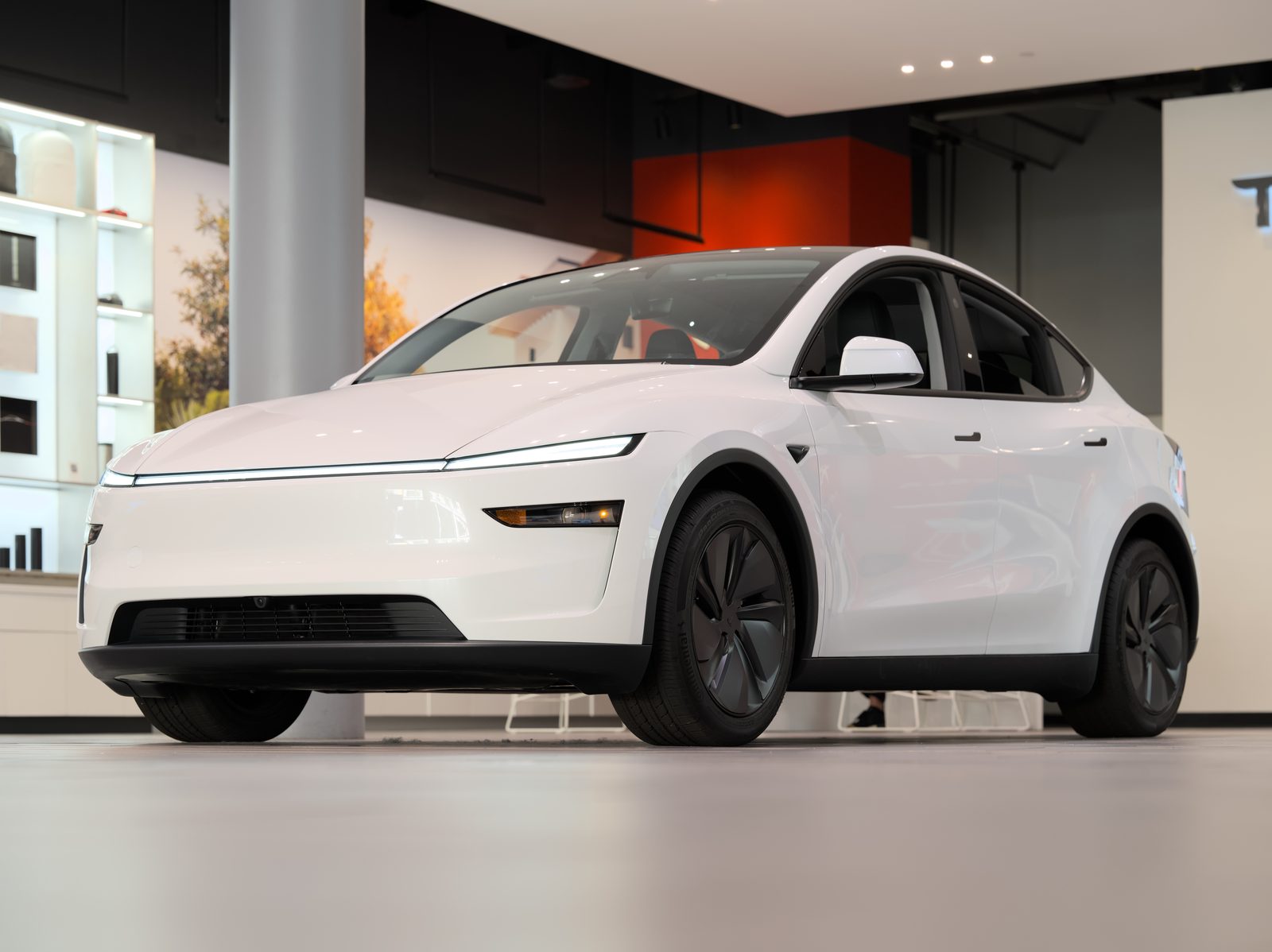
Information is current as of July 2026 and reflects our best research at the time of writing. Tesla prices, tax rates and California incentive programs change frequently — always confirm current figures with Tesla, the CDTFA, the California DMV and PG&E before purchasing. This article is general information, not financial, tax or legal advice. Some links are affiliate/referral links; see our disclosure page. Image credit: Tesla Model Y 2025 at Santana Row by Dllu (Daniel Lu), licensed CC BY-SA 4.0, via Wikimedia Commons.
About the author: Lifei Zhou
Model Y owner since 2022Ontario STO registered apprentice · 310SWorks on Porsche, Mercedes, BMW, Audi weeklyHundreds of readers referred (est.)
Lifei is a Tesla owner based in Canada, writing practical, fact-checked Tesla guides for US and Canadian drivers — buying, ownership, insurance, charging, and TSLA investing, all from first-hand experience.