
Is a Tesla Worth It for Uber & Lyft Drivers? 2026 US Rideshare Guide
Is a Tesla Worth It for Uber & Lyft Drivers? 2026 US Rideshare Guide

In one sentence
Is a Tesla worth it for Uber & Lyft in 2026? Real charging-vs-gas math, Uber's $4,000 EV bonus, the best model to buy, and gear that protects a high-mileage car.
Rideshare has quietly become one of the biggest reasons ordinary Americans buy a Tesla. When you drive 40,000, 60,000, even 80,000 miles a year for Uber or Lyft, the math that keeps a normal owner up at night — depreciation, gas, maintenance — flips almost completely. Electricity is dramatically cheaper than gasoline, a Tesla needs no oil changes, and passengers genuinely enjoy the ride, which can nudge your ratings and tips upward. But rideshare is also the harshest test a car can face: the footwells, seats, and touchscreen take a beating, and you will blow past the 4-year/50,000-mile basic warranty in your first year on the road.
This guide is written for US drivers who are seriously weighing a Tesla as a rideshare tool, not a toy. We will walk through the real charging-vs-gas numbers, Uber’s $4,000 Go Electric incentive, which Tesla actually makes sense for the job, and — just as important — the low-cost gear that keeps a high-mileage car from falling apart. Prices and program details are current as of August 2026; always confirm the live figures before you commit.
Disclosure: some links are affiliate/referral links. If you order a Tesla or buy a product through them, we may earn a commission or credit at no extra cost to you. See our disclosure page.
📋 Contents
- Why So Many Uber and Lyft Drivers Switch to a Tesla
- The Real Numbers: Charging vs. Gas for a Full-Time Driver
- Uber’s $4,000 Go Electric Incentive and Per-Ride EV Bonuses
- Which Tesla Should a Rideshare Driver Buy?
- Protecting a High-Mileage Rideshare Tesla (Accessories That Pay Off)
- Warranty, Maintenance, and Battery Life at High Mileage
- Charging Strategy for Drivers Without a Home Charger
- Frequently Asked Questions
- The Bottom Line for Rideshare Drivers
Why So Many Uber and Lyft Drivers Switch to a Tesla
For a full-time driver, the single biggest expense after the car itself is energy. A gas car that gets 28–30 mpg burns roughly $0.12–$0.13 in fuel per mile at current pump prices. A Tesla Model 3 uses about 250 watt-hours per mile in mixed city driving — call it 4 miles per kWh. Charge at home at $0.15/kWh and your “fuel” cost drops to under $0.04 a mile. Over 50,000 miles a year, that gap alone is worth several thousand dollars.
Beyond cost, three things make a Tesla a natural rideshare vehicle:
- Passenger appeal. Riders recognize the brand, the cabin is quiet, and the big screen and smooth acceleration make trips feel premium. That helps with both ratings and tips.
- Almost no scheduled maintenance. No oil changes, no spark plugs, no transmission service. Regenerative braking means brake pads can last the life of the car.
- The Supercharger network. When you can’t charge at home, Tesla’s own fast-charging network is the most reliable way to grab 150+ miles during a lunch break.
Uber even created a dedicated tier — Uber Comfort Electric — that pairs EV drivers with riders willing to pay more for a quieter, zero-tailpipe trip, often at higher fares than standard UberX.
The Real Numbers: Charging vs. Gas for a Full-Time Driver
Here is an illustrative weekly comparison for a driver covering 1,000 miles a week (about 52,000 miles a year). Your exact numbers depend on local electricity and gas prices, so treat this as a framework, not a promise. You can plug your own rates into the fueleconomy.gov cost tools to sanity-check.
| Scenario (1,000 mi/week) | Energy used | Weekly “fuel” cost | Per mile |
|---|---|---|---|
| Tesla, home charging @ $0.15/kWh | ~250 kWh | ~$38 | ~$0.038 |
| Tesla, Supercharger @ $0.40/kWh | ~250 kWh | ~$100 | ~$0.10 |
| Gas car @ 29 mpg, $3.50/gal | ~34.5 gal | ~$121 | ~$0.12 |
The takeaway is blunt: if you can charge at home overnight, a Tesla can cut your energy bill by roughly two-thirds versus a comparable gas car. Even leaning on Superchargers, you usually still come out ahead — though the margin shrinks, which is exactly why a home or workplace charging plan matters so much for rideshare economics. For a deeper breakdown of rates by charging method, see our guide to the real cost to charge a Tesla and our Supercharger pricing guide.
Uber’s $4,000 Go Electric Incentive and Per-Ride EV Bonuses
Uber runs a national Go Electric program that pays a one-time $4,000 bonus to qualifying drivers who switch to a fully electric vehicle. The rules matter, and drivers lose the bonus every year by getting them wrong. As of August 2026:
- You must be in Uber’s Pro Platinum or Diamond tier and have never added a personally owned EV to your account before.
- You must apply and be approved first — Uber confirms eligibility within about three weeks. Buying the car before you’re approved disqualifies you.
- After approval, you have 90 days to add the EV, then must complete 100 qualifying trips by December 31, 2026.
- The EV must be personally owned or leased (rentals don’t count), and it must be a battery-electric or fuel-cell vehicle.
- The current round is capped at roughly 2,500 drivers, first-come, first-served, so it can close early.
If you’re buying new to qualify, note that ordering your Model 3 or Model Y through a Tesla referral link stacks three months of free Full Self-Driving (Supervised) on top of these platform bonuses — one more small edge while you wait for delivery. On top of the switch bonus, both Uber and Lyft run per-ride EV incentives in many markets — typically an extra $1–$3 per trip for electric vehicles. Over a full year those small amounts can stack into thousands of dollars. Lyft’s EV bonuses vary by city and change often, so check your local Lyft Hub for the current offer rather than trusting a screenshot from another market. Always read the fine print in your own city; these programs are funded in limited pools and can pause without much notice.
Which Tesla Should a Rideshare Driver Buy?
You do not need the most expensive Tesla to drive rideshare — you need the cheapest one that comfortably fits the job. Here is how the mainstream US lineup stacks up for full-time driving (prices exclude the $1,390 destination and $250 order fees).
| Model | From (US) | EPA range | Best for |
|---|---|---|---|
| Model 3 Standard RWD | $36,990 | 321 mi | Lowest cost of entry; best value for UberX/Lyft |
| Model 3 Premium AWD | $47,490 | 363 mi | Long shifts, winter traction, fewer charge stops |
| Model Y Standard RWD | $39,990 | 321 mi | Comfort Electric / larger riders / luggage runs |
For most drivers, the Model 3 Standard RWD is the sweet spot: it’s the cheapest Tesla to buy and among the cheapest to run, and 321 miles of range is plenty for a city shift. Step up to the Model Y only if you regularly do airport runs, carry luggage, or want to qualify passengers into Uber Comfort Electric and XL-style rides. The Long Range Model 3 makes sense if you drive marathon days and hate charging stops.
Whichever you pick, remember that ordering a new Model 3 or Model Y through a Tesla referral link currently adds three months of free Full Self-Driving (Supervised) — worth roughly $297, though it generally doesn’t stack with the standard trial. It won’t drive your passengers for you, but for a highway commuter between shifts it’s a genuine perk at no cost.
Protecting a High-Mileage Rideshare Tesla (Accessories That Pay Off)
This is where rideshare ownership diverges hard from normal ownership. A car that carries strangers 50 times a week wears out from the inside. A few dollars of protection up front saves hundreds in detailing and resale value later. These are the items experienced driver-partners install on day one — none of them are glamorous, but they all earn their keep.
Start with the floors. Factory carpet is a lost cause once wet shoes, spilled coffee, and sand start cycling through daily. A set of laser-fit all-weather rubber floor mats (front, rear, and a matching trunk cargo liner for airport luggage) is the single best protection purchase — expect to spend in the low-to-mid three figures for a full set, and it pops out for a hose-down in minutes. This is the one upgrade I’d tell every new rideshare driver to buy before their first trip.
Next, guard the seat backs. Passengers kick, scuff, and drag bags across the front seats constantly, and Tesla’s lighter interiors show every mark. A pair of seat-back kick mats takes the abuse instead of your upholstery. For the inevitable between-ride cleanups, keep a bottle of gentle interior cleaner and a microfiber towel in the door pocket — just remember to keep any liquid off the touchscreen and use a dry cloth there instead.
Finally, protect yourself. Rideshare disputes and fender-benders are a fact of the job, and Tesla’s built-in Sentry Mode and Dashcam are your evidence — but they need storage. A dedicated high-endurance USB flash drive (256GB+, formatted for continuous recording) keeps footage rolling without corrupting a cheap thumb drive. And because tire wear is your biggest recurring cost, a $10 digital tire pressure gauge pays for itself: properly inflated tires roll more efficiently, wear evenly, and stretch thousands of extra miles out of every set. For a fuller accessory rundown, see our Tesla interior protection guide.
Warranty, Maintenance, and Battery Life at High Mileage
Rideshare drivers exit the comfortable warranty bubble faster than anyone. Tesla’s basic vehicle warranty is 4 years or 50,000 miles — a full-time driver can hit 50,000 miles in a single year, meaning you’re on your own for most repairs by year two. Budget for it rather than being surprised by it.
The good news is the expensive part — the battery — is covered far longer:
- Model 3 Standard RWD: battery and drive unit warranty of 8 years or 100,000 miles, guaranteeing at least 70% capacity retention.
- Long Range / AWD / Performance: 8 years or 120,000 miles, 70% retention.
Real-world data is reassuring: most Model 3 owners report under 10% range loss at 100,000 miles, and even hard-driven rideshare cars have shown only around 12% loss past 150,000 miles. What actually wears out is mundane — tires (plan on a set roughly once a year), cabin air filters, wiper blades, 12V accessory battery, and suspension bushings at the corners. Annual maintenance for a Model 3/Y averages around $575, and a high-mileage rideshare car warrants an extra few hundred dollars of buffer. A full pack replacement out of warranty runs well into five figures, but for the vast majority of drivers that day never comes. Read our full Tesla maintenance guide and our battery degradation deep-dive before you buy a high-mileage used example.
Charging Strategy for Drivers Without a Home Charger
The rideshare math above assumes cheap home charging. If you live in an apartment without a plug, you can still make it work — you just have to be deliberate:
- Map your “office.” Find the two or three cheapest Superchargers or Level 2 stations near your busiest zones and treat one as your default top-up spot during natural breaks.
- Charge to 80%, not 100%. The last 20% is slow and adds heat; for daily driving, stopping at 80% keeps sessions short and the battery healthy.
- Chase off-peak rates. Many Superchargers use time-of-day pricing; a mid-afternoon or late-night top-up can be noticeably cheaper than an evening-rush session.
- Precondition before you plug in. Navigating to a Supercharger warms the battery so it accepts a faster charge, cutting your downtime.
Even the all-Supercharger scenario in our table above still beats gasoline per mile — the catch is time, not money. Every hour spent charging is an hour not earning, so a workplace or home Level 2 plug, even a shared one, is the highest-return upgrade a rideshare driver can chase. For more model comparisons, running-cost breakdowns, and buying advice, browse our full US Tesla guides.
Frequently Asked Questions
Is a Tesla actually profitable for Uber or Lyft?
For most full-time drivers, yes — the savings come primarily from fuel and near-zero scheduled maintenance. The biggest variables are your purchase price (or loan payment), whether you can charge at home, and how many miles you drive. Part-timers who put on modest miles see a smaller advantage and should run their own numbers first.
Which Tesla is best for rideshare?
The Model 3 Standard RWD is the value pick for most drivers: it’s the cheapest Tesla to buy and run, with 321 miles of range. Choose a Model Y if you need extra space for luggage or larger passengers, or a Long Range Model 3 if you drive very long shifts and want fewer charging stops.
Do I still get the federal EV tax credit?
No. The federal $7,500 new-EV and $4,000 used-EV credits ended on September 30, 2025 and have not been revived. Your incentives now come from platform programs (like Uber’s Go Electric bonus) and any state or utility rebates, not the IRS.
How fast will I hit the warranty limit?
Very fast on miles. The basic 4-year/50,000-mile warranty can expire in your first year of full-time driving. The battery and drive unit are covered much longer — 8 years and 100,000–120,000 miles depending on trim — so plan a repair budget for everything else once you pass 50,000 miles.
Can I write off my Tesla and charging costs as a rideshare driver?
Rideshare drivers are generally treated as independent contractors and can deduct vehicle expenses using either the IRS standard mileage rate or actual costs (including electricity), but not both. This is general information, not tax advice — talk to a qualified tax professional about your specific situation and keep detailed mileage and charging records.
The Bottom Line for Rideshare Drivers
- Energy savings are the whole game: home charging can cut per-mile fuel cost by roughly two-thirds versus gas; Supercharging still usually wins, just by less.
- Stack the incentives: Uber’s one-time $4,000 Go Electric bonus (apply before switching) plus per-ride EV bonuses can add thousands a year — but the federal tax credit is gone.
- Buy the cheapest Tesla that fits: the Model 3 Standard RWD is the default; step up only for space or range you truly need.
- Protect the interior from day one: all-weather mats, kick mats, a Sentry USB drive, and a tire gauge are cheap insurance against fast wear.
- Plan for out-of-warranty life: you’ll pass 50,000 miles quickly, so budget for tires and small parts — while the battery stays covered for years.
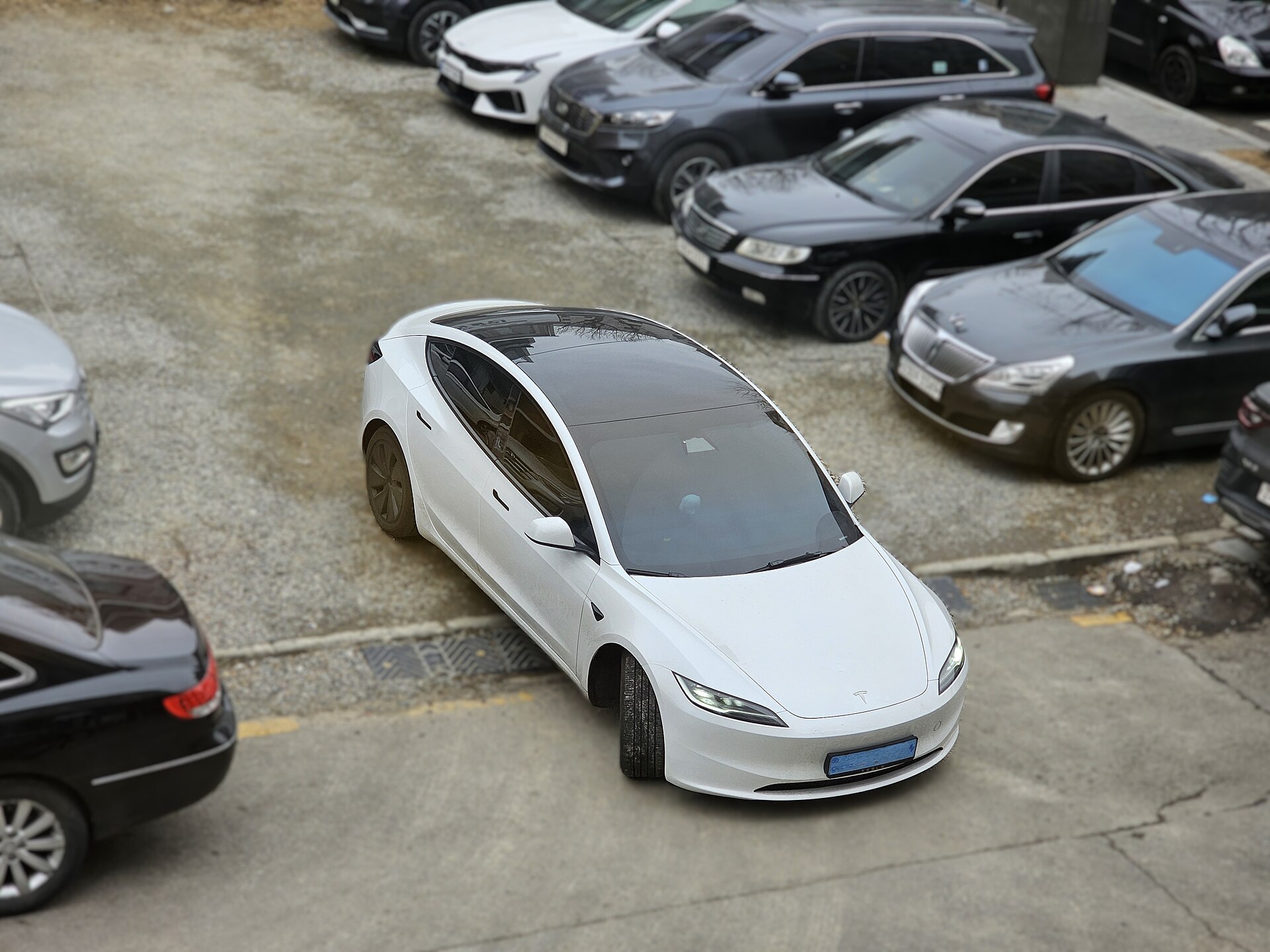
Information current as of August 2026 and subject to change; Tesla prices, warranty terms, and Uber/Lyft incentive programs are updated frequently, so verify the live details with each company before you commit. This article is general information, not financial or tax advice. Some links are affiliate or referral links — see our disclosure page. Image credit: “Tesla Model 3 Highland Pearl White Multi-Coat” by Damian B Oh, licensed under CC BY-SA 4.0, via Wikimedia Commons.

About the author: Lifei Zhou
Model Y owner since 2022Ontario STO registered apprentice · 310SWorks on Porsche, Mercedes, BMW, Audi weeklyHundreds of readers referred (est.)
Lifei is a Tesla owner based in Canada, writing practical, fact-checked Tesla guides for US and Canadian drivers — buying, ownership, insurance, charging, and TSLA investing, all from first-hand experience.