
Tesla Warranty Guide 2026: Battery Coverage, What’s Included & Extended Options (US & Canada)
Tesla Warranty Guide 2026: Battery Coverage, What’s Included & Extended Options (US & Canada)

Your Tesla is one of the most expensive things you’ll ever own that runs almost entirely on software and a giant battery pack — so understanding exactly what the factory warranty covers (and where it quietly stops) can save you thousands. In 2026 the rules changed in a few important ways: Tesla rolled out a paid extended battery agreement, relabeled some trim tiers, and quietly trimmed a couple of Canadian coverage windows. This guide breaks down every layer of Tesla’s warranty for the US and Canada, what “70% battery retention” actually means, whether the new extended plan is worth it, and how the coverage follows the car when you buy or sell used.
Disclosure: some links are affiliate/referral links, and we may earn a commission at no extra cost to you. See our disclosure page.
📋 Contents
- Tesla Warranty at a Glance (2026)
- The Battery & Drive Unit Warranty — and What “70% Retention” Means
- What Tesla’s Warranty Does NOT Cover
- Extended Warranty: Is the New Battery ESA Worth It?
- Buying Used: Does the Tesla Warranty Transfer?
- Tesla Warranty: Canada vs the US
- How to Make a Warranty Claim & Keep Coverage Valid
- Frequently Asked Questions
- The Bottom Line
Tesla Warranty at a Glance (2026)
A Tesla doesn’t have one warranty — it has a stack of them, each with its own clock. The two that matter most are the New Vehicle (Basic) Limited Warranty that covers the whole car, and the much longer Battery & Drive Unit Limited Warranty that covers the expensive electric bits. Here’s how the full stack looks for a new Tesla bought in the United States.
| Coverage | Term (US) | What it covers |
|---|---|---|
| New Vehicle (Basic) Limited Warranty | 4 years / 50,000 miles | Defects in materials and workmanship — the “bumper-to-bumper” layer |
| Supplemental Restraint System | 5 years / 60,000 miles | Airbags and seatbelt pretensioners |
| Battery & Drive Unit | 8 years / 100,000–150,000 miles | High-voltage battery pack and drive units (see next section) |
| Body Rust (Corrosion) | 12 years / unlimited miles | Rust-through (perforation) of body panels |
| Parts, Body & Paint Repair | 12 months / 12,500 miles | Genuine Tesla parts and repairs performed by Tesla |
| High-Priced Propulsion Parts (2026 model year onward) | 7 years / 70,000 miles | Certain costly propulsion-related components, added for 2026 MY cars |
Two things surprise new owners. First, the Basic Warranty is only 4 years / 50,000 miles — shorter on mileage than many gas-car powertrain warranties. Second, there is no separate “powertrain” warranty in the traditional sense; instead the battery and drive units get their own long window, which is where most of an EV’s expensive failure risk lives. Roadside assistance is bundled in for the length of the Basic Warranty (4 years), covering things like towing to the nearest Service Center and lockout help.
The Battery & Drive Unit Warranty — and What “70% Retention” Means
This is the headline number for any EV buyer. Tesla warranties the high-voltage battery and drive units for 8 years, with a mileage cap that depends on the model and trim, and — crucially — guarantees the pack will retain at least 70% of its original capacity over that period. Here’s the current breakdown for the US (miles) and Canada (kilometres).
| Model / Trim | United States | Canada | Min. capacity |
|---|---|---|---|
| Model 3 RWD, Model Y RWD / AWD (base trims) | 8 yrs / 100,000 mi | 8 yrs / 160,000 km | 70% |
| Model 3 & Model Y Long Range / Performance / Premium | 8 yrs / 120,000 mi | 8 yrs / 192,000 km | 70% |
| Model S, Model X, Cybertruck | 8 yrs / 150,000 mi | 8 yrs / 240,000 km | 70% |
What the 70% figure really means: if your pack degrades to below 70% of its as-new capacity within the warranty window, Tesla will repair or replace it to bring it back above that line — free of charge. It is not a promise that you’ll keep 100% of your range. Real-world data shows most Teslas lose roughly 10–15% capacity over the first 150,000–200,000 miles, so the vast majority of cars never trigger a claim. If you want to understand how that curve actually plays out, our Tesla battery degradation guide digs into the numbers.
One 2026 wrinkle worth knowing: Tesla has been relabeling trims as the lineup shifts. Some Model Y all-wheel-drive versions that owners think of as “Long Range” now sit in the 100,000-mile battery tier rather than the 120,000-mile one, and in Canada the Model 3 Premium RWD battery window was quietly reduced. Don’t assume — check the “Warranty” line on your own Tesla account or window sticker, because the exact term is tied to the specific trim as configured on your VIN. If you’re still shopping, our Model Y US buying guide lays out which trim is which. And a note for Model S and Model X owners: production of both ended in early 2026, but that changes nothing about existing warranties — Tesla has committed to parts, service, and software support for those cars for roughly a decade.
What Tesla’s Warranty Does NOT Cover
The fastest way to get a surprise bill is to assume “warranty” means “everything.” It doesn’t. These are the big exclusions owners run into most often:
- Wear-and-tear items: tires, wiper blades, brake pads and rotors, cabin air filters, and 12V/16V accessory batteries are all considered maintenance, not defects.
- Tires: covered by the tire manufacturer’s own warranty (Michelin, Continental, etc.), not Tesla. Road-hazard damage usually isn’t covered by anyone unless you bought a separate plan.
- Cosmetic and environmental damage: stone chips, curb rash, scratches, and paint damage from sun, road salt, or bird droppings.
- Damage from misuse or modification: collision damage, flooding, using non-Tesla or unapproved charging equipment, or aftermarket parts that cause a failure.
- Cars used commercially: heavy ride-share, delivery, or fleet use can void or limit coverage — read the fine print if your Tesla earns its keep.
- Software features you paid for: Full Self-Driving (Supervised) capability rollout is governed separately, not by the vehicle warranty.
A practical tip: when your Tesla needs jacking up (for tire rotations or a flat), damaging the battery pack by lifting on the wrong point is an easy way to create an uncovered problem. A cheap set of Tesla jack pads (Canadian buyers: jack pads on Amazon.ca) protects the battery seams and keeps you on the right side of the coverage rules. For a fuller rundown of what’s routine upkeep versus a warranty repair, see our Tesla maintenance & service guide.
Extended Warranty: Is the New Battery ESA Worth It?
For years, Tesla offered no way to extend coverage on newer cars. That changed: Tesla now sells an Extended Battery & Drive Unit Service Agreement (ESA) that kicks in the moment your original 8-year battery warranty ends. As of 2026 it’s aimed at select Model 3 and Model Y trims and adds up to 2 years or 30,000 miles (48,000 km) of extra high-voltage protection.
| Detail | United States | Canada |
|---|---|---|
| Typical price | ~US$2,000 | ~C$2,800 |
| Extra coverage | Up to 2 yrs / 30,000 mi | Up to 2 yrs / 48,000 km |
| Covers | High-voltage battery + drive units only | High-voltage battery + drive units only |
| Must buy… | While original battery warranty is still active | While original battery warranty is still active |
Is it worth it? For most owners, probably not — and here’s the honest math. The ESA only covers the battery and drive units, which are already the most reliable, longest-lived parts of the car. A pack that’s healthy at 8 years and 100,000+ miles is statistically very unlikely to fail in the next 2 years. Where it can make sense: if you drive heavy annual mileage (so you’ll blow past the 8-year mark with tons of life left in the odometer), if you plan to keep the car well past a decade, or simply if the peace of mind is worth ~$2,000 to you. Just note the hard rule — there is no grace period. Once the original battery warranty expires, the option to buy the ESA disappears, so it’s a decision to make before your 8-year clock runs out, not after.
Buying Used: Does the Tesla Warranty Transfer?
Good news for used buyers — and sellers: Tesla’s warranties are tied to the car, not the original owner. When ownership is transferred, the remaining New Vehicle Limited Warranty and, more importantly, the 8-year Battery & Drive Unit Warranty travel with the vehicle. Coverage is always calculated from the car’s original in-service date, regardless of how many owners it’s had.
That means a 3-year-old Model 3 you buy privately still has roughly a year of Basic Warranty and about 5 years of battery coverage left — a big part of why used Teslas hold value better than many EVs. If you buy a Tesla-certified used car directly from Tesla, there’s an added layer: the Used Vehicle Limited Warranty, which provides an additional 1 year / 10,000 miles (Canada: 1 year / 20,000 km) once the original Basic Warranty runs out. Before you buy any used Tesla, confirm the exact remaining coverage in the seller’s Tesla account and cross-check it — our used Tesla buying guide walks through the checks that protect you.
If you’re shopping new instead and want the referral perk, ordering through a Tesla referral link currently gets you 3 months of free Full Self-Driving (Supervised) — a nice add-on that doesn’t change your warranty terms at all.
Tesla Warranty: Canada vs the US
The structure is identical on both sides of the border, but the numbers are expressed differently (kilometres instead of miles) and a few Canadian windows differ. Here are the practical differences.
| Coverage | United States | Canada |
|---|---|---|
| Basic (New Vehicle) Warranty | 4 yrs / 50,000 mi | 4 yrs / 80,000 km |
| Supplemental Restraint System | 5 yrs / 60,000 mi | 5 yrs / 100,000 km |
| Battery & Drive Unit (base trims) | 8 yrs / 100,000 mi | 8 yrs / 160,000 km |
| Certified used (post-Basic) warranty | 1 yr / 10,000 mi | 1 yr / 20,000 km |
| Extended Battery ESA price | ~US$2,000 | ~C$2,800 |
Canadians should also remember that provincial consumer-protection law sits on top of the manufacturer warranty. Depending on the province, you may have additional rights (for example, around fit-for-purpose or misrepresentation) that exist independently of what Tesla’s warranty document says. Always keep your service records; Tesla honours warranty work across Canada at any Service Center regardless of which province you bought in.
How to Make a Warranty Claim & Keep Coverage Valid
Tesla’s claim process is refreshingly low-friction compared with legacy dealers. Here’s the playbook:
- Log it in the app. Open the Tesla app, tap Service, describe the issue (photos and video help), and schedule. Many warranty jobs are handled by a Mobile Service tech who comes to you.
- Don’t self-diagnose it away. If a fault light or alert appears, report it while you’re still inside the coverage window — waiting until “it gets worse” can push you past the term.
- Keep your records. You are not required to service a Tesla at Tesla to keep the warranty (thanks to consumer-protection law like the US Magnuson–Moss Warranty Act), but keep receipts for any third-party work in case a dispute arises.
- Use approved charging. Damage traced to non-approved charging hardware can be denied. Stick to Tesla equipment or reputable, certified chargers.
- Confirm coverage first. Your exact remaining warranty is shown in your Tesla account — check it before booking so you know whether a repair should be free.
Frequently Asked Questions
How long is the Tesla battery warranty?
Eight years on every current model, with a mileage cap that depends on the trim: 100,000 miles (160,000 km) on base Model 3/Y, 120,000 miles (192,000 km) on Long Range/Performance/Premium versions, and 150,000 miles (240,000 km) on Model S, Model X, and Cybertruck. All guarantee at least 70% battery capacity retention over that period.
What does “70% battery retention” mean?
It’s a floor, not a target. If your pack degrades below 70% of its original capacity within the 8-year window, Tesla repairs or replaces it for free. Most Teslas only lose about 10–15% over the first 150,000+ miles, so few cars ever hit the threshold.
Does the Tesla warranty transfer to a used-car buyer?
Yes. Both the New Vehicle Limited Warranty and the 8-year Battery & Drive Unit Warranty are tied to the vehicle, not the owner, and are calculated from the original in-service date. Whatever time and mileage remain carry over to you automatically when ownership is transferred through Tesla.
Is Tesla’s extended battery warranty (ESA) worth buying?
For most owners, no — it only covers the battery and drive units, which are already the most durable parts of the car. It can make sense for very high-mileage drivers or people planning to keep the car well past 10 years. Remember there’s no grace period: you must buy it before the original battery warranty expires.
What’s not covered by the Tesla warranty?
Wear items (tires, brakes, wiper blades, 12V battery), cosmetic damage (chips, scratches, curb rash), collision or flood damage, damage from unapproved charging or modifications, and heavy commercial use. Tires are covered by their own manufacturer, not Tesla.
Do I have to service my Tesla at Tesla to keep the warranty?
No. Under consumer-protection laws such as the US Magnuson–Moss Warranty Act, Tesla can’t void your warranty simply because you had routine work done elsewhere. Keep records of any third-party service in case a claim is ever questioned.
The Bottom Line
- Basic warranty: 4 years / 50,000 miles (80,000 km in Canada) covers the whole car against defects.
- Battery & drive unit: 8 years / 100,000–150,000 miles (160,000–240,000 km) with a 70% capacity guarantee — the number that protects your biggest EV risk.
- It transfers: buying used means inheriting the remaining battery coverage, calculated from the original in-service date.
- Extended ESA (~US$2,000 / ~C$2,800): optional, battery-only, and only worth it for high-mileage or long-term keepers — and you must buy before the original warranty ends.
- Know the exclusions: tires, brakes, cosmetics, and unapproved charging or mods aren’t covered — protect the battery when jacking the car.
Authoritative sources: Tesla Vehicle Warranty (US), Tesla Vehicle Warranty (Canada), Tesla Battery Extended Service Agreement, and the US FTC’s guide to auto warranties and service contracts.
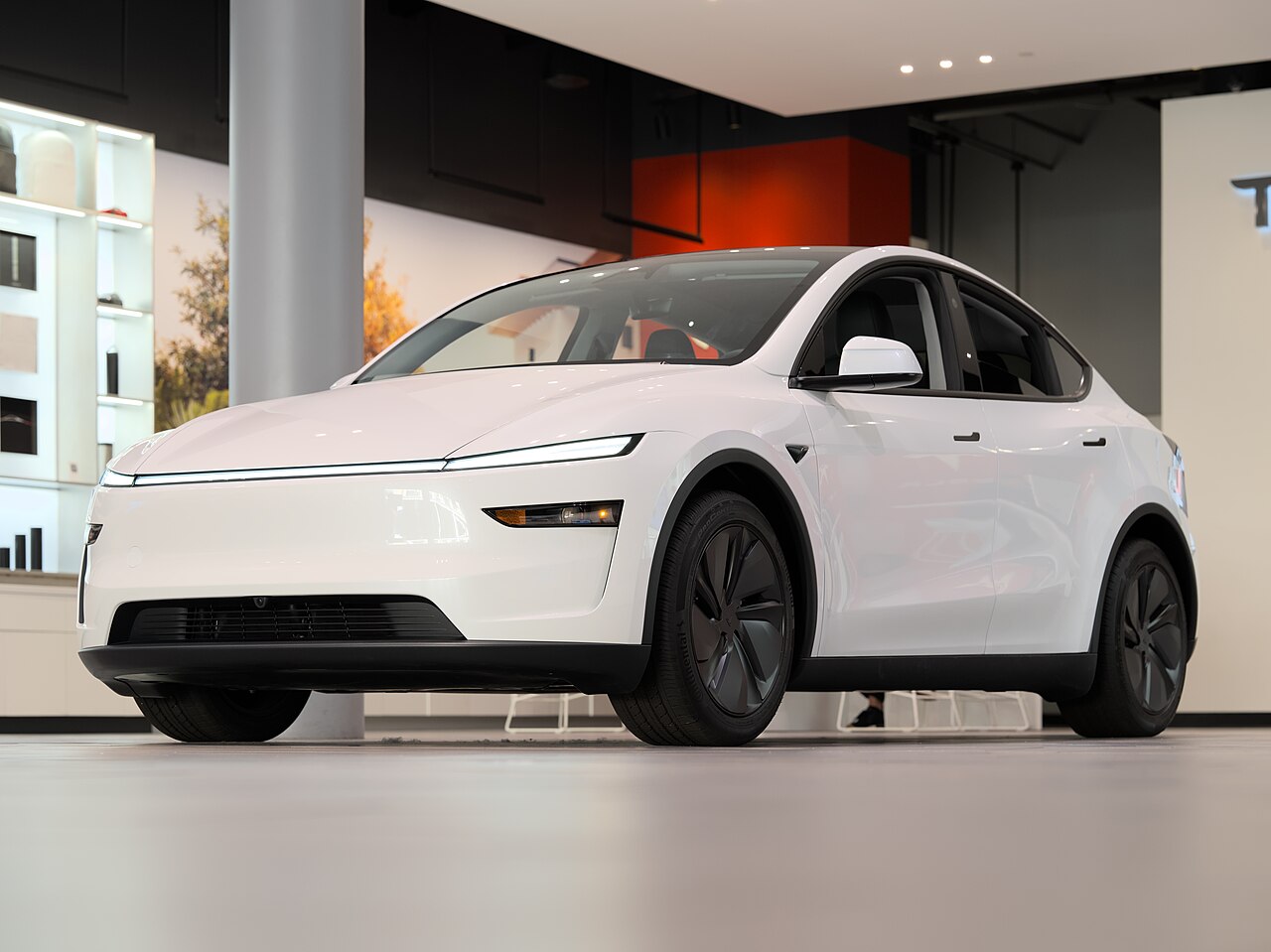
Information current as of late July 2026. Warranty terms, prices, and trim-specific mileage windows change and vary by VIN, model year, and country — always confirm the exact coverage shown in your own Tesla account before making a purchase or service decision. This article is general information, not legal or financial advice. Some links are affiliate/referral links; see our disclosure page. Image credit: Dllu, “Tesla Model Y 2025 at Santana Row,” CC BY-SA 4.0, via Wikimedia Commons.

About the author: Lifei Zhou
Lifei is a Tesla owner based in Canada, writing practical, fact-checked Tesla guides for US and Canadian drivers — buying, ownership, insurance, charging, and TSLA investing, all from first-hand experience.
