
Tesla Front License Plate: How to Mount It Without Drilling (2026 US & Canada Guide)
Tesla Front License Plate: How to Mount It Without Drilling (2026 US & Canada Guide)

In one sentence
Where a front plate is legally required in the US and Canada, why you should never drill a Tesla bumper, and the best no-drill brackets to mount one cleanly.
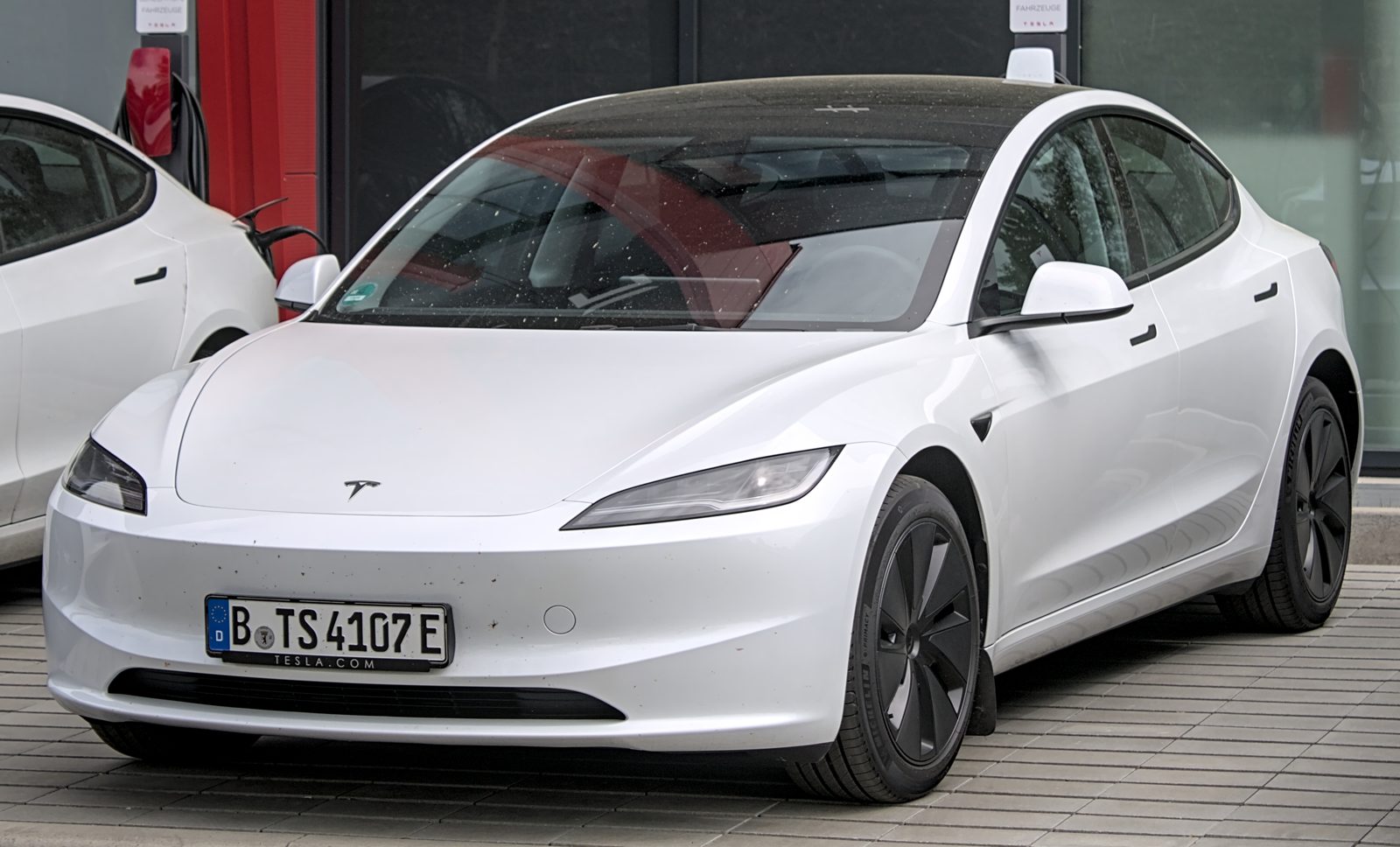
Your new Tesla arrives with a smooth, camera-clean front bumper and — deliberately — no bracket, no screws, and no obvious place to bolt a front license plate. That looks great in the delivery photos. Then reality hits: depending on where you live, driving without a front plate can earn you a “fix-it” ticket, and the factory-supplied adhesive plate holder means sticking hardware directly to your paint. The good news is that in 2026 you have far better options. This guide covers exactly where a front plate is legally required across the United States and Canada, why you should never drill into a Tesla bumper, and how to mount a plate cleanly with a no-drill bracket you can remove in seconds.
Disclosure: some links are affiliate/referral links, meaning we may earn a small commission at no extra cost to you if you buy through them. See our disclosure page.
📋 Contents
- Does Your Tesla Actually Need a Front License Plate?
- Why You Should Never Drill Into a Tesla Bumper
- How No-Drill Front Plate Mounts Work
- Best No-Drill Front Plate Brackets Compared (2026)
- How to Install a No-Drill Front Plate in 5 Minutes
- Model-by-Model Notes: Model 3, Model Y, S, X, and Cybertruck
- Front Plate, Cameras, and Airflow: What Not to Block
- Frequently Asked Questions
- The Bottom Line
Does Your Tesla Actually Need a Front License Plate?
This is the first thing to settle, because if you live in a rear-plate-only state or province, you can legally skip the front plate entirely and keep your bumper flawless. The rule is set by your registering state or province — not by Tesla — and it applies to your car no matter where you drive it day to day.
In the United States, roughly 21 states issue a single plate for the rear only and require nothing on the front. If your car is registered in one of these states, you do not need a front plate:
| Rear-plate-only U.S. states (no front plate) |
|---|
| Alabama, Arizona, Arkansas, Delaware, Florida, Georgia, Indiana, Kansas, Kentucky, Louisiana, Michigan, Mississippi, New Mexico, North Carolina, Ohio, Oklahoma, Pennsylvania, South Carolina, Tennessee, West Virginia, and (as of January 1, 2025) Utah |
Every state not on that list — including high-population states such as California, Texas, New York, Illinois, New Jersey, Massachusetts, Colorado, Virginia, Washington, Minnesota, Wisconsin, and Nevada — plus Washington, D.C., requires both a front and rear plate. That is roughly 29 states and the District of Columbia. California, for example, mandates two plates under California Vehicle Code §5200, and the California DMV spells out how plates must be displayed. Because a handful of states have changed sides recently (Utah dropped its front-plate rule in 2025; Ohio did so in 2020), confirm with your own state DMV before you decide.
In Canada, the split is simpler. Only three provinces require a front plate:
| Province/territory | Front plate required? |
|---|---|
| Ontario, British Columbia, Manitoba | Yes — front and rear |
| Alberta, Saskatchewan, Quebec, Nova Scotia, New Brunswick, PEI, Newfoundland & Labrador, plus the territories | No — rear plate only |
Ontario’s two-plate rule sits in the Highway Traffic Act, and British Columbia’s requirement is administered by ICBC. If you’re in Ontario, BC, or Manitoba, a front plate is not optional — but a no-drill mount still lets you comply without harming the car.
Why You Should Never Drill Into a Tesla Bumper
It’s tempting to just have the dealer’s body shop drill two holes and bolt the plate on. Don’t. A Tesla’s front fascia is a single molded, painted panel, and holes in it are effectively permanent. Here’s what drilling costs you:
- Resale value. Two holes in the bumper are an instantly visible sign of a modification, and buyers of used EVs are picky. A pristine, unpierced fascia helps hold the price you worked to protect — the same reason we cover keeping cars clean in our Tesla resale value guide.
- Paint protection film. If you’ve wrapped the front in PPF (or plan to), drilling punctures the film and opens an edge where dirt and moisture creep under it. Plan your plate solution before the film goes on — see our PPF, ceramic coating, and tint guide.
- Corrosion and rattles. Raw drilled edges in the fascia and any exposed hardware can trap water and start rattling over time.
- It’s simply unnecessary. No-drill mounts hold a plate securely at highway speed, and you can remove the whole assembly in under a minute for a track day, a car show, or a photo.
The one thing to avoid at delivery is letting anyone install the peel-and-stick adhesive plate holder that some stores hand over. Adhesive holders bond to the paint, can pull clear coat when removed, and leave a residue outline. A removable bracket is the cleaner path.
How No-Drill Front Plate Mounts Work
Nearly every quality no-drill Tesla mount uses the same clever trick: it anchors to the factory tow-hook eyelet hidden behind a pop-out cover on the front bumper. A threaded rod or hook screws into that reinforced tow point — the strongest attachment on the front of the car — and a bracket arm holds your plate flush against the fascia. Because the load goes into the tow eyelet, nothing touches the paint except soft rubber pads.
You’ll see three broad styles on the market:
- Tow-hook bracket (recommended). Screws into the tow eyelet, no adhesive, fully removable. The safest and most popular design.
- Adhesive/magnetic pads. Stick or clamp directly to the bumper. Cheaper, but they sit on the paint and can shift or leave marks — skip these on a car you care about.
- Grille-clip mounts. Clip into the lower grille slats. Fine on some model years, but fit varies and clips can loosen.
For a Tesla, the tow-hook style wins on security, removability, and paint safety. The only real homework is matching the bracket to your exact model and year, because the front fascia was redesigned on the 2024+ Model 3 (Highland) and the 2026 Model Y (Juniper), and the newest Model S carries a front bumper camera that some older brackets block.
Best No-Drill Front Plate Brackets Compared (2026)
Below are solid, widely reviewed no-drill options. Prices sit in the roughly US$20–45 range depending on materials and anti-theft hardware; check the current listing and, most importantly, confirm the fit note for your model year before ordering.
| Bracket | Best for | Why it stands out |
|---|---|---|
| Aluminum lockable no-drill mount (Model 3/Y) | Most owners | Anodized aluminum arm, lockable anti-theft hardware, tow-eyelet install; covers 2017–2023 Model 3 and 2020–2025 Model Y |
| “Original” no-drill safety-design holder | Simple, quick install | Tool-light setup, no adhesives, tidy low-profile look; fits 2017–2023 Model 3 and 2020–2024 Model Y |
| EVANNEX front plate bracket (Model 3) | Brand-name reassurance | Weather-resistant, no drilling or bolt-on, from a well-known Tesla-accessory brand |
Whichever you choose, give the mounting area a quick wipe with a clean microfiber towel before install so no grit gets trapped between the pads and the fascia. If you’re kitting out a brand-new car, a front-plate mount pairs naturally with the other first-week buys in our new-owner accessories guide and the broader Tesla accessories section. And if you haven’t ordered yet, placing your order through a Tesla referral link currently earns you 3 months of free Full Self-Driving (Supervised).
How to Install a No-Drill Front Plate in 5 Minutes
The process is nearly identical across brands. Do it in daylight, on a clean bumper:
- 1. Find the tow-hook cover. It’s a small rectangular or oval panel on the front bumper, usually lower-driver-side. Press one corner and gently pry the opposite edge with a fingernail or plastic trim tool so you don’t scratch the paint.
- 2. Thread in the anchor. Screw the bracket’s threaded rod or hook clockwise into the exposed tow eyelet until it’s hand-tight, then snug it with the supplied tool. It should not spin freely.
- 3. Level the bracket arm. Adjust the arm so the plate area will sit centered and level, then lock the knob or set screw.
- 4. Attach the plate. Bolt your license plate to the frame with the included screws; use the anti-theft screws if the kit provides them.
- 5. Check clearance and torque. Confirm the plate doesn’t block airflow to sensors or cameras, give it a firm wiggle, and re-check tightness after your first drive.
To remove it — for a wash, a wrap, or resale prep — just reverse the steps and pop the tow-hook cover back in. The bumper returns to factory-clean with no trace.
Model-by-Model Notes: Model 3, Model Y, S, X, and Cybertruck
Fit is everything, so match the bracket to your car:
- Model 3 (Highland, 2024+): The redesigned front bar means you should buy a bracket explicitly listed for Highland; legacy Model 3 mounts may not seat correctly.
- Model Y (Juniper, 2026): The refreshed front fascia is new, so look for “2025/2026” or “Juniper” in the fitment. Older 2020–2024 Model Y brackets can differ. When you configure a new Model Y, ordering through a Tesla referral link currently adds 3 months of free Full Self-Driving (Supervised) — worth doing before you shop for accessories.
- Model S / Model X: Tow-eyelet mounts exist, but the latest Model S front bumper camera can conflict with some brackets — verify the listing calls out camera compatibility.
- Cybertruck: The stainless front and unique geometry need a Cybertruck-specific mount; generic Model 3/Y brackets will not fit.
A front plate mostly matters at delivery and inspection time, so it’s worth sorting before your handover — our delivery inspection checklist lists the other items to confirm the day you pick up the car.
Front Plate, Cameras, and Airflow: What Not to Block
Modern Teslas rely on a front camera and radar-like sensing for Autopilot and parking features, and the lower intake feeds the heat pump and battery cooling. A properly positioned front plate sits below and clear of the camera, but a crooked or oversized frame can creep into the field of view or choke airflow. Keep the plate centered and low, avoid bulky illuminated or novelty frames, and never mount a plate over an active sensor. If you run Full Self-Driving, a clean camera line matters even more — see our Tesla FSD guide for how the front vision stack is used. When in doubt, take a short test drive and confirm no camera-obstruction alerts appear on the screen.
Frequently Asked Questions
Do I legally have to install a front plate on my Tesla?
Only if your car is registered in a state or province that requires two plates. In the United States that’s roughly 29 states plus Washington, D.C. (including California, Texas, New York, and Illinois); about 21 states are rear-plate-only. In Canada, only Ontario, British Columbia, and Manitoba require a front plate. Always confirm with your own DMV or provincial registry.
Will a no-drill mount damage my paint or PPF?
No. Quality tow-hook brackets anchor into the factory tow eyelet and touch the fascia only through soft rubber pads, so they don’t pierce paint or film. Avoid adhesive or magnetic holders, which sit directly on the paint and can leave marks.
Can I remove the bracket later without a trace?
Yes. Unscrew the anchor from the tow eyelet and snap the cover back on. There are no holes and no residue, which is exactly why a removable mount protects resale value better than drilling.
Does a front plate hurt range or block the sensors?
The aerodynamic and range impact of a small plate is negligible. The real risk is a badly positioned frame blocking the front camera or intake — keep it centered, low, and clear of any sensor, and check for obstruction warnings on your first drive.
Will one bracket fit any Tesla?
No. The front fascia differs across the Model 3 (Highland), Model Y (Juniper), Model S, Model X, and Cybertruck. Buy a bracket explicitly listed for your model and year.
What if I move from a one-plate state to a two-plate state?
You’ll typically need to re-register and display a front plate when you establish residency. A no-drill bracket makes that a five-minute job with no permanent change to the car — handy for anyone who relocates often.
The Bottom Line
- Check your state or province first: about 21 U.S. states and most Canadian provinces are rear-plate-only, so you may not need a front plate at all.
- If you do need one, never drill the bumper — it hurts resale, ruins PPF, and is completely avoidable.
- Choose a no-drill tow-hook bracket that anchors into the factory tow eyelet; skip adhesive and magnetic holders.
- Match the bracket to your exact model and year (Highland, Juniper, S, X, or Cybertruck), and keep the plate clear of cameras and airflow.
- Installation takes about five minutes and is fully reversible, so your bumper stays factory-clean for resale.
- Still deciding on the car itself? Ordering a new Model 3, Model Y, or Cybertruck through a Tesla referral link adds 3 months of free FSD (Supervised) — a nice bonus before you spend on accessories.
Information is current as of August 2026 and reflects front-plate rules and vehicle details verified against state DMV, provincial registry, and Tesla sources at the time of writing; laws and fitment change, so confirm requirements with your own DMV or provincial registry before buying. This article is general information, not legal advice. Some links are affiliate/referral links — see our disclosure page. Image credit: “Tesla Model 3 (2023)” by Alexander-93, licensed under CC BY-SA 4.0, via Wikimedia Commons.

About the author: Lifei Zhou
Model Y owner since 2022Ontario STO registered apprentice · 310SWorks on Porsche, Mercedes, BMW, Audi weeklyHundreds of readers referred (est.)
Lifei is a Tesla owner based in Canada, writing practical, fact-checked Tesla guides for US and Canadian drivers — buying, ownership, insurance, charging, and TSLA investing, all from first-hand experience.