
Tesla Glass Roof Guide: Heat, UV, Tint and Sunshades (2026)
Tesla Glass Roof Guide: Heat, UV, Tint and Sunshades (2026)

The panoramic glass roof is one of the first things people notice when they climb into a Model 3 or Model Y. It floods the cabin with light, makes a compact car feel enormous, and looks fantastic in photos. It also raises the same two questions from almost every new owner in North America: Will it cook me in summer? and Do I need a sunshade or tint? This guide gives you straight, 2026-current answers — what the glass actually blocks, why you still feel heat, and exactly how to fix it without wrecking the airy look you paid for.
Disclosure: some links are affiliate/referral links. If you buy through them we may earn a commission at no extra cost to you. See our disclosure page.
📋 Contents
- How the Tesla Glass Roof Actually Works
- Does the Glass Roof Get Hot? The Honest Answer
- Sunshades vs Ceramic Tint: Which Should You Choose?
- Choosing the Right Tesla Glass Roof Sunshade
- Ceramic Roof Tint: Cost, VLT, and Legality in the US and Canada
- Preconditioning and Everyday Heat Habits
- Maintaining and Cleaning the Glass Roof
- Buying a New Tesla? Do This First
- Frequently Asked Questions
- The Bottom Line
How the Tesla Glass Roof Actually Works
Tesla’s roof is a single, seamless pane of laminated glass that stretches from the top of the windshield to the rear hatch (on Model Y) or over the rear seats (on Model 3). It is not just a big skylight — it is layered glass with a proprietary infrared-reflective coating baked in. Tesla says the roof absorbs the large majority of ultraviolet (UV) light and reflects a share of infrared (IR) energy before it reaches the cabin.
Here is the part that trips people up. There are two different kinds of solar energy coming through that glass, and the roof treats them very differently:
- Ultraviolet (UV): This is what fades your dashboard, cracks trim, and damages skin. Tesla’s glass blocks roughly 99% of it — genuinely excellent, and better than the untreated side windows on most cars. Independent testing on automotive glass backs this up: laminated glass blocks UV extremely well.
- Near-infrared (IR): This is the energy you actually feel as heat on your head and shoulders. Standard automotive glass — Tesla’s included — rejects only a portion of it. The factory IR coating helps, but a meaningful amount of radiant heat still passes through on a sunny day.
So the honest summary is: the glass roof is a UV champion and a heat compromise. Your skin and your interior are well protected; your comfort on a 95°F afternoon is not fully solved by the glass alone.
Does the Glass Roof Get Hot? The Honest Answer
Yes — but the experience depends heavily on your climate and how you park. Owners in mild coastal areas (the Pacific Northwest, the Northeast, much of Canada outside a July heat wave) often report they never think about it. Owners in Arizona, Texas, Florida, Nevada, and inland California frequently do, especially in stop-and-go traffic where the sun beats straight down.
Two separate problems get lumped together, and it is worth splitting them:
- Radiant heat — the warmth you feel directly on your head and neck while the sun hits the roof. Air conditioning does almost nothing for this; it is line-of-sight energy. This is the problem a sunshade or tint solves.
- Cabin air temperature — how hot the trapped air gets while parked. This is what preconditioning, Cabin Overheat Protection, and the A/C handle. We cover the parked-car side in depth in our Tesla hot-weather cabin cooling guide.
There is also a real UV-exposure angle that goes beyond comfort. Because the roof is so large, more of your body sees the sky than in a conventional car. Even though the glass blocks most UV, the sheer area matters for long highway drives. Health authorities note that car glass is an imperfect UV shield overall — the University of Utah Health and the Skin Cancer Foundation both recommend window film and sunscreen for drivers who spend long hours behind the wheel. The Tesla roof is above average here, but “above average” is not “zero.”
Sunshades vs Ceramic Tint: Which Should You Choose?
There are two mainstream fixes, and they solve slightly different problems. A sunshade is a removable panel you clip under the glass; ceramic tint is a permanent film applied to the outside-facing surface of the glass. Here is how they stack up.
| Factor | Sunshade (mesh/reflective) | Ceramic roof tint |
|---|---|---|
| Typical cost | ~$30–$80 (DIY) | ~$300–$800+ (roof only, professionally installed) |
| Heat (IR) reduction | Blocks roughly two-thirds of solar thermal load | Quality ceramic films reject up to 78–99% of IR |
| Look | Covers the glass; you lose the open-sky feel while installed | Keeps the roof mostly see-through (darker tint = darker view) |
| Reversible? | Fully — pops in and out in seconds | Semi-permanent; removal takes a shop |
| Effect on cameras/GPS | None | None if it is a non-metal ceramic film |
| Best for | Most owners; renters and lease drivers; anyone testing before committing | Hot-climate owners who want a permanent, invisible fix |
For most people, a sunshade is the smart first move: it is cheap, reversible, and you can decide afterward whether you even need tint. Snowbirds and desert-climate owners who plan to keep the car for years often go straight to ceramic tint. Many owners end up doing both — tint for daily heat rejection, a shade for the brutal parked-in-a-lot afternoons.
Choosing the Right Tesla Glass Roof Sunshade
Not all shades are equal, and the cheap ones are a genuine annoyance. The three things that separate a good shade from a bad one:
- No sag. Early mesh shades drooped onto your head over time. Look for a rigid or semi-rigid frame that stays taut.
- Reflective vs. plain mesh. Plain mesh cuts glare and radiant heat modestly; a reflective/foil-backed layer blocks noticeably more heat but also blocks more light. Mesh keeps the airy feel; reflective keeps you cooler.
- Correct fit. Model 3, pre-2025 Model Y, and the 2025+ “Juniper” Model Y have different roof shapes. Buy the version made for your exact car and year, or you will fight gaps.
Our pick for most Model Y owners is a two-layer mesh-plus-reflective shade with a no-sag frame, such as the BASENOR Model Y glass roof sunshade set — it matches the factory gray, installs in a few minutes, and folds flat for storage. Model 3 owners want the model-specific version instead, like the BASENOR Model 3 front + rear roof shade. Expect to spend in the $30–$60 range for a decent set.
One accessory most people forget: the windshield is a bigger heat and UV entry point than the roof, and it is where your dashboard bakes. A folding front windshield sunshade cut for Tesla Model 3/Y pairs naturally with a roof shade and does more for parked-car dash temps than the roof shade alone. If you only buy one thing for a hot climate, buy the windshield shade first; if you buy two, add the roof shade. These are also on our broader new Tesla owner accessories list and in the Tesla accessories section.
For context, Tesla now sells its own factory retractable Model Y roller sunshade — a permanent reel-style blind that hides in the headliner. It launched first in China in mid-2026 at roughly $220, and a North American release has not been officially announced as of this writing. It is a premium option; an aftermarket clip-in shade delivers most of the benefit for a fraction of the price today.
Ceramic Roof Tint: Cost, VLT, and Legality in the US and Canada
If you want a permanent, nearly invisible fix, ceramic window film on the roof is the gold standard. Modern nano-ceramic films reject a large share of infrared heat and about 99% of UV while containing no metal, so they do not interfere with your Tesla’s cameras, GPS, cellular signal, or the roof-mounted antennas. That “no metal” point matters — older metallic/dyed films could degrade signal and are worth avoiding.
Two practical questions:
- How dark? Roof tint is usually done in the 5–20% VLT (visible light transmission) range. Darker rejects more heat and glare but dims the view; many owners land around 15–20% to keep some of the open-sky effect.
- Is it legal? This is the good news. In the US, tint laws regulate the windshield and front side windows, not the roof. The panoramic roof is treated as rear glass, which almost every state allows to be tinted to any darkness — so a 5% ceramic roof is generally fine even in strict states. Your front side windows are the ones with a VLT limit (for example, California requires 70% on the fronts, while Florida allows 28%), and the windshield can only take non-reflective film above the manufacturer’s AS-1 line.
Canadian rules vary by province and are generally stricter on front side windows, but the roof is likewise not the regulated surface in most provinces. Because these limits change and are enforced differently, confirm your state or provincial rule before you book an installer — visibility and glazing standards are set by bodies like the US NHTSA and provincial transport ministries. Expect a professional ceramic roof job to run a few hundred dollars; a full-car ceramic package costs more. If you are already budgeting for paint and glass protection, our PPF and ceramic coating guide covers how tint fits alongside those.
Preconditioning and Everyday Heat Habits
Hardware fixes handle radiant heat; smart habits handle the rest — often for free. A few that genuinely move the needle in a Tesla:
- Precondition from the app. Before you walk out to a baking car, cool it from the Tesla app. It drops the trapped air temperature so the A/C is not starting from 130°F.
- Leave Cabin Overheat Protection on. It keeps the cabin from exceeding a set temperature while parked, which protects the interior and makes re-entry bearable. Tesla explains the settings on its official support site.
- Park nose-in toward shade when you can, so the windshield and roof are not both taking direct sun.
- Use the shade for parking, remove it for driving if you love the open feel — the whole point of a clip-in shade is that it takes seconds.
There is a flip side to that huge glass roof that has nothing to do with fighting heat: at night, it is spectacular. Owners who use Camp Mode for stargazing get a front-row seat to the sky through the roof. If you camp somewhere remote and want connectivity to match the view, Starlink pairs well with a parked, climate-controlled Tesla — Canadian readers can look at our Starlink + Tesla road-trip guide and Starlink’s own referral offer (available in Canada). It is a genuinely nice combination for off-grid nights, though not something US owners can order yet.
Maintaining and Cleaning the Glass Roof
A dirty glass roof shows every water spot and pollen streak, and it is right in your sightline. Clean it like any auto glass: a dedicated glass cleaner and two microfiber towels (one to clean, one to buff dry) beat paper towels, which streak. Do the inside too — fingerprints and off-gassing haze build up under a big glass panel faster than you would think.
To make the exterior easier to keep clear, a light ceramic spray sealant such as CarPro Reload adds hydrophobic beading so rain and dust sheet off instead of baking on. It is optional, but on a panoramic roof it noticeably cuts how often you have to wipe. For the full wash-and-detail routine, see our how to clean your Tesla detailing guide.
Buying a New Tesla? Do This First
If you are still shopping and reading this to know what you are getting into: the glass roof is a feature, not a flaw — you just plan around it in a hot climate. And if you are ordering a Model 3, Model Y, or Cybertruck, place the order through a referral link so you start with a perk. Ordering through a Tesla referral link currently adds 3 months of free Full Self-Driving (Supervised) on eligible new vehicles — a nice bonus on top of the standard 30-day trial, and it costs you nothing. Put your sunshade or tint budget in the plan from day one and you will never fight the roof.
Frequently Asked Questions
Does the Tesla glass roof block UV rays?
Yes — Tesla’s laminated glass roof blocks roughly 99% of UV radiation, which is why interiors resist fading. It is a strong UV shield. What it does not fully block is near-infrared, the part of sunlight you feel as radiant heat, so you can be well protected from UV and still feel warm on your head in direct sun.
Do I really need a sunshade for my Tesla?
It depends on climate. In mild regions many owners never bother. In hot, sunny states a shade or ceramic tint makes summer driving and parked-car temperatures much more comfortable. A clip-in shade is cheap and reversible, so it is the low-risk way to find out whether you need more.
Is tinting the Tesla glass roof legal?
In almost all US states the panoramic roof is treated as rear glass and can be tinted to any darkness, including very dark 5% ceramic film. The regulated surfaces are your windshield (film only above the AS-1 line, non-reflective) and front side windows (a minimum VLT that varies by state). Canadian provinces are generally stricter on side windows but usually do not regulate the roof. Always confirm your local rule before booking.
Will ceramic tint interfere with Tesla’s cameras or signal?
No, provided you use a non-metal nano-ceramic film. Ceramic films contain no conductive metal, so they do not degrade GPS, cellular, key-fob, or camera performance. Avoid older metallic or dyed films, which can cause interference and fade.
Sunshade or ceramic tint — which is better?
A sunshade is cheaper, reversible, and blocks about two-thirds of solar heat. Ceramic tint is permanent, nearly invisible, and rejects more infrared heat (up to 78–99% on premium films). If you are unsure or you lease, start with a shade. If you own the car for the long haul in a hot climate, tint is the more elegant permanent fix — and many owners run both.
Does the glass roof make the car noticeably hotter than a metal roof?
In direct summer sun, yes, you feel more radiant heat than under a solid metal roof, mostly on your head and shoulders. The trapped-air temperature difference is smaller and is handled by preconditioning and Cabin Overheat Protection. A shade or ceramic tint largely closes the radiant-heat gap.
The Bottom Line
- Tesla’s glass roof blocks about 99% of UV but only part of the infrared heat you actually feel — great for your interior, imperfect for comfort.
- Radiant heat is solved by a sunshade or ceramic tint; parked-car air temperature is solved by preconditioning and Cabin Overheat Protection.
- A no-sag, model-specific sunshade ($30–$60) is the cheapest, reversible fix; pair it with a windshield shade for the biggest parked-car improvement.
- Ceramic roof tint (5–20% VLT, non-metal) is the permanent, nearly invisible option — and the roof is legal to tint dark in almost every US state and most Canadian provinces.
- Keep it clean with proper glass technique and an optional ceramic spray, and precondition before you get in.
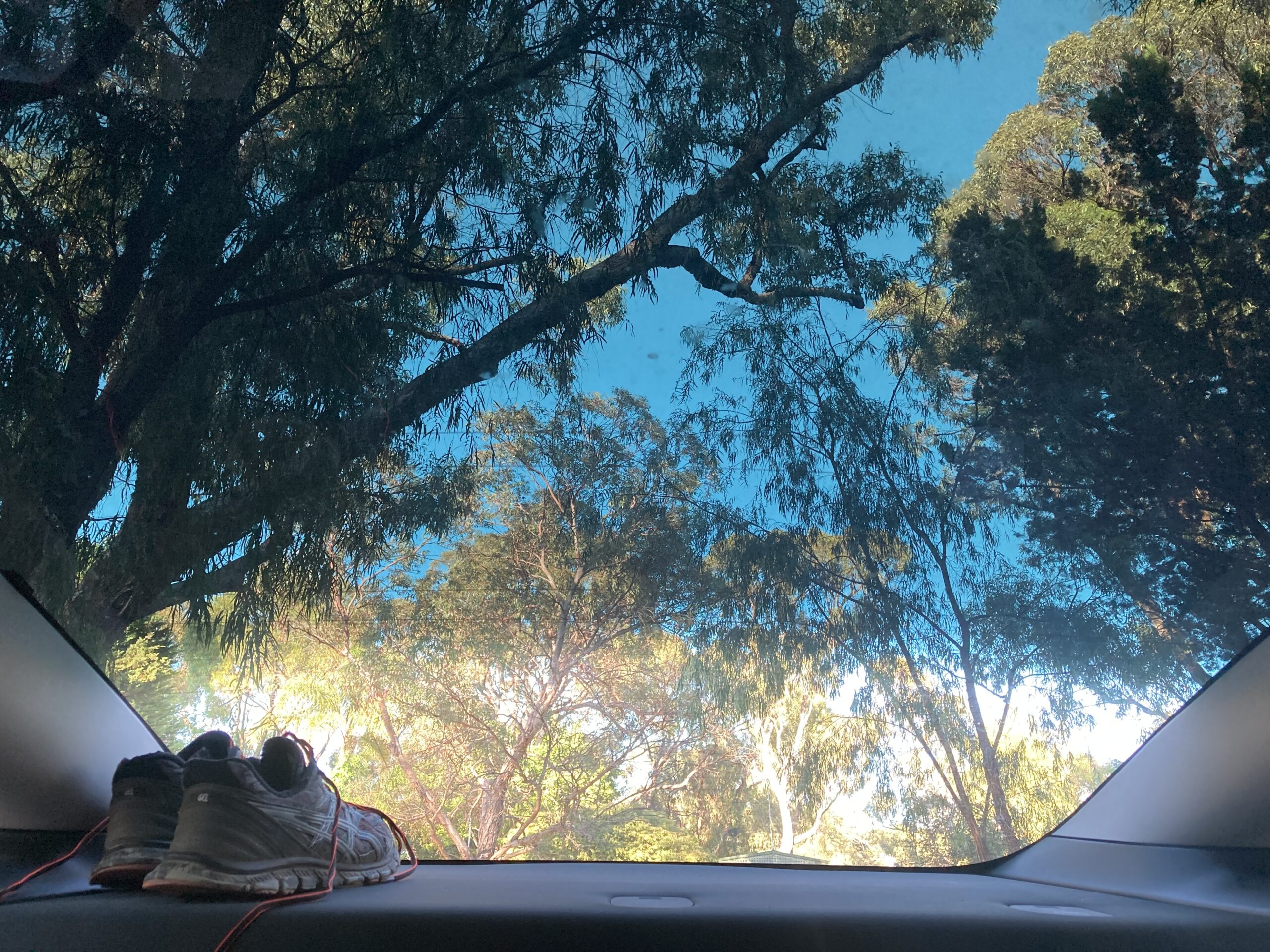
Information current as of September 2026. Tint laws, product availability, and Tesla accessory pricing change over time — verify local tint regulations and current prices before you buy. This article is for general guidance only and is not legal advice. Some links are affiliate or referral links; see our disclosure page. Image credit: “View of trees through Tesla Model 3 rear glass roof” by Chuq, licensed under CC BY-SA 4.0, via Wikimedia Commons.

About the author: Lifei
Lifei is a Tesla owner based in Canada, writing practical, fact-checked Tesla guides for US and Canadian drivers — buying, ownership, insurance, charging, and TSLA investing, all from first-hand experience.
